LTK vs ShopMy: Which Pays Creators More in 2026?
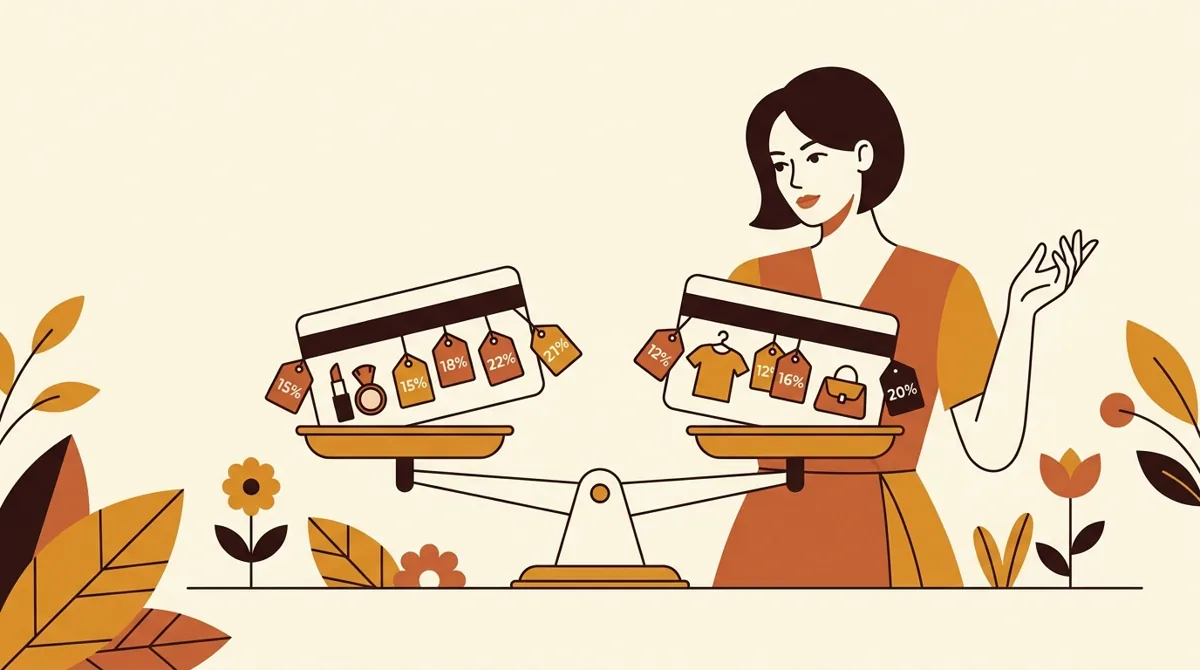
For most creators in 2026, ShopMy pays higher per sale and LTK converts more traffic — so the right answer is set by your niche, not by which app is "better." ShopMy's brand-set commissions often run 10–30%+ on beauty and premium labels, while LTK's steadier mid-single-to-low-double-digit rates ride on a mature shopping app with deep retailer coverage (ShopMy, LTK). Fashion and home lean LTK; beauty and direct brand relationships lean ShopMy.
Here is the head-to-head across the dimensions that actually change your payout, plus how daily posting multiplies whichever one you pick.
LTK vs ShopMy at a glance
The two platforms solve the same problem — turning your recommendations into commission — but from opposite directions. LTK is a consumer shopping destination with its own app and audience; ShopMy is a creator-first monetization layer built around direct brand relationships. The table below compares them on the dimensions that decide how much you keep.
| Dimension | LTK | ShopMy |
|---|---|---|
| Approval barrier | Application + established on-brand feed | Invite / referral only |
| Commission rates | Steadier, mid-single to low-double digits | Higher, variable, 10–30%+ on premium |
| Payout terms | Monthly, threshold-based | Flexible, often faster per-brand |
| Brand access | Broad retailer catalog, own app traffic | Direct brand relationships, gifting |
| Best-fit niches | Fashion, home, lifestyle | Beauty, skincare, premium |
| Own audience needed | App drives some discovery | You bring the traffic |
Source: CreaMate 2026 platform comparison, compiled from LTK (https://www.shopltk.com) and ShopMy (https://www.shopmy.us) public program information and Collabstr 2026 affiliate benchmarks. Commission ranges vary by brand and category.
No row makes one platform win outright. The pattern is that LTK does more of the selling for you through its app, while ShopMy pays more per sale but expects you to bring the audience.
Which one approves you faster?
Neither platform is open sign-up, and that gate shapes who each one suits.
LTK reviews applications and looks for an established feed that fits its shopping-forward, aspirational catalog — fashion, home, and lifestyle. If your account is new or off-category, approval is not guaranteed. The upside once you are in: LTK's own app sends shoppers to your storefront, so some discovery happens without your own reach.
ShopMy runs on invites and referrals. Access usually comes through another creator or a brand that wants to work with you, which sounds exclusive but is often faster than a cold application once you know someone inside. The catch is that ShopMy does little audience-building for you — you bring the traffic, and the platform converts it at a higher rate.
If you have a warm connection, ShopMy's referral path can be quicker. If you are cold but have a strong on-brand feed, LTK's application is the more open door. Building that feed in a paying category is the real prerequisite, covered in the most profitable creator niches.
Which one pays more per sale?
This is where the platforms genuinely diverge.
ShopMy sets commissions per brand, and premium and beauty labels often post 10–30%+, with transparent rates you can see before you link (ShopMy). Because you are frequently in a direct relationship with the brand, gifting and higher negotiated rates are on the table. The variability cuts both ways — a low-rate brand pays little — but the ceiling is higher.
LTK commissions are steadier and usually lower, in the mid-single to low-double digits, but they ride on a huge retailer catalog and an app that actively drives purchases (LTK). A lower rate on traffic the platform helps convert can out-earn a higher rate on traffic you have to source entirely yourself.
The honest read: for a beauty creator with an engaged audience, ShopMy's higher rates usually win. For a fashion or home creator who wants broad retail links and some platform-driven discovery, LTK's volume and app traffic often net more. The rate is only half the equation — conversion is the other half, the same logic behind how much money creators actually make.
Daily posting is the real multiplier
Whichever platform you choose, the lever that moves your affiliate income most is not the platform — it is how often you post shoppable content. Affiliate earnings scale with the number of qualified links in front of buyers, and creators who post daily put 3–5x more shoppable moments live than those who post twice a week.
The mechanism is simple. Every post is another set of links, another chance for a follower in a buying mood to tap through. A creator posting once or twice a week is leaving most of their catalog dark. One posting daily keeps a steady stream of products in front of an audience that is, in these niches, already shopping. The platform sets your rate; your posting frequency sets your volume — and volume times rate is your paycheck.
This is why the "which platform" question matters less than creators think. A mediocre platform posted daily beats a great platform posted weekly.
The mistake that leaves commission on the table
The cautionary case: the creator who signs up for both platforms, drops a link now and then, and treats affiliate as passive. It underperforms every time. Three reasons it fails:
- Sporadic posting starves the funnel. Affiliate income is a volume game. A few links a month cannot convert enough to matter, no matter how high the rate. The commission is real; the frequency is not there to trigger it.
- Wrong platform for the niche. A beauty creator relying only on LTK's lower rates, or a broad-retail fashion creator ignoring LTK's app traffic, is fighting the platform's design. Match the platform to what you sell.
- No tracking of what converts. Posting links without watching which products and platforms actually pay means you keep pushing the losers. The creators who win read the data and route more posts to whatever converts.
Two creators on the same platform with the same audience can earn wildly different amounts. The difference is almost always frequency and fit, not the logo on the dashboard. Route your best-converting products deliberately, the way you would manage any brand relationship — covered in how to get brand deals as a small creator.
The platform choice is real, but it is a smaller decision than it feels like. Pick the one that fits your niche — ShopMy for beauty and higher rates, LTK for fashion, home, and app-driven volume — then post daily and track what pays. The creators who out-earn their follower count are rarely on a secret platform. They are just on the right one, posting more often than everyone else.
This is one chapter of the 1K–100K Creator Money Playbook. CreaMate is an AI co-pilot for short-form creators — hooks, covers, posting plans, and brand deals in one place — built to help small creators earn more, not work more.
FAQ
- Is LTK or ShopMy better for small creators in 2026?
- It depends on your niche and access. LTK has deep retailer coverage in fashion and home and a mature shopping app, but a real approval bar. ShopMy is invite-based with higher and more transparent commissions, and it favors beauty and creators who want direct brand relationships.
- Which platform pays higher commissions?
- ShopMy generally surfaces higher and more variable rates — often 10–30%+ on beauty and premium brands — because rates are set per brand. LTK commissions are steadier but typically lower, in the mid-single to low-double digits, offset by its broad retailer catalog and buyer traffic.
- How hard is it to get approved?
- LTK reviews applications and expects an established, on-brand feed. ShopMy runs on invites and referrals, so access usually comes through another creator or a brand. Neither is truly open, but ShopMy's referral path is often faster once you know someone inside.
- Do I have to pick just one?
- No, and many creators run both. Post daily and you can route different products to whichever platform pays or converts best — LTK for broad retail links, ShopMy for premium beauty and direct brand deals. Two platforms mostly cost you link management, not exclusivity.